Finish Material Selection for Denver Metro Homes
Bret · · 9 min read
Discover expert finish material selection in Denver Metro with Del Mar Building Services. Call Del Mar to choose durable, beautiful finishes suited for Colorado climate.
Choosing the right finish materials for a custom home or remodel can be one of the most complex—and costly—decisions a homeowner makes. In Denver Metro, where climate extremes, high-altitude sunlight, and low humidity affect everything from flooring to exterior siding, the selection process requires both aesthetic vision and practical planning. Del Mar Building Services has spent over 21 years helping homeowners across Denver, Aurora, Lakewood, and surrounding suburbs navigate finish material decisions that balance beauty, durability, and long-term value. Bret Hribar personally handles every in-person estimate, walking clients through material options that make sense for their project scope, timeline, and the Colorado climate.
Why Finish Material Selection Matters More Than You Think
Finish materials define the look, feel, and function of your home. They're also among the most visible aspects of any construction or remodeling project—and the hardest to change once installed. Whether you're building a luxury custom home in Highlands Ranch, remodeling a historic bungalow in Golden, or finishing a basement in Westminster, the materials you choose will affect your daily experience, maintenance schedule, and resale value for years to come.
In Colorado, finish material performance is especially critical. Our intense UV exposure fades paint and stain faster than in most regions. Freeze-thaw cycles stress exterior materials. Low indoor humidity can cause wood flooring and trim to shrink or crack. And high-altitude sunlight amplifies color shifts in fabrics, stains, and natural stone. Del Mar's approach to material selection accounts for these local factors from the start, ensuring that homeowners don't end up with finishes that look great in a showroom but fail in real-world Denver Metro conditions.
How to Approach Material Selection for Your Project
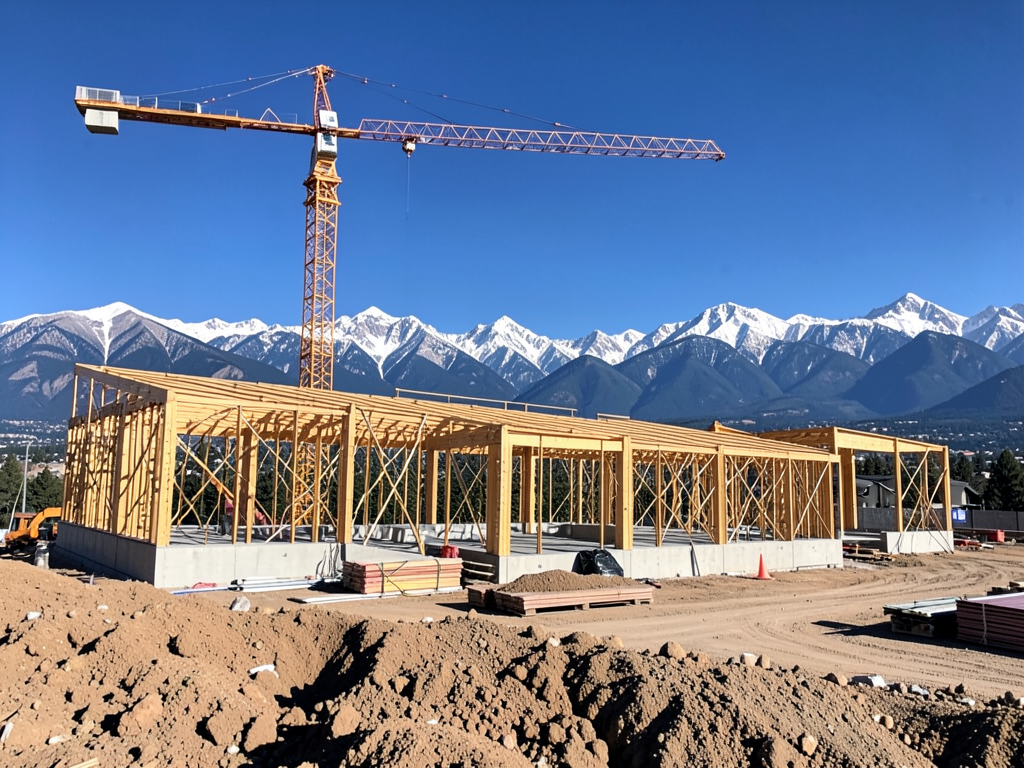
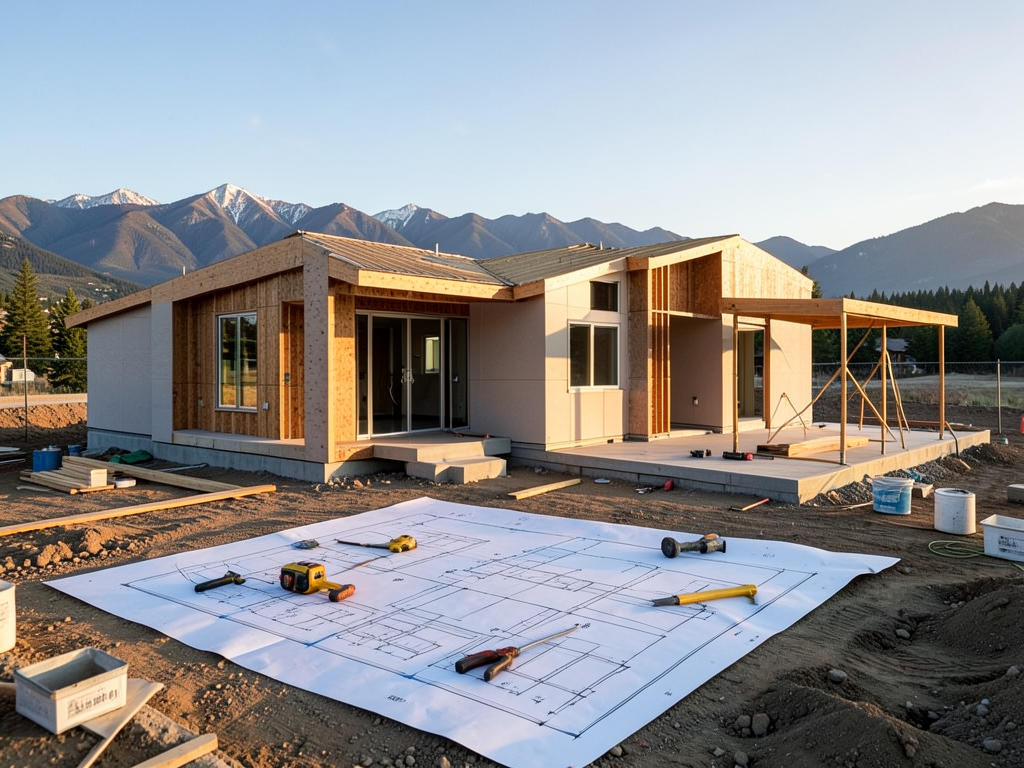
Material selection should begin early in the planning process—long before framing starts or drywall goes up. Here's how Del Mar guides homeowners through the process across custom homes, additions, and remodeling projects.
Start with Your Project Type and Scope
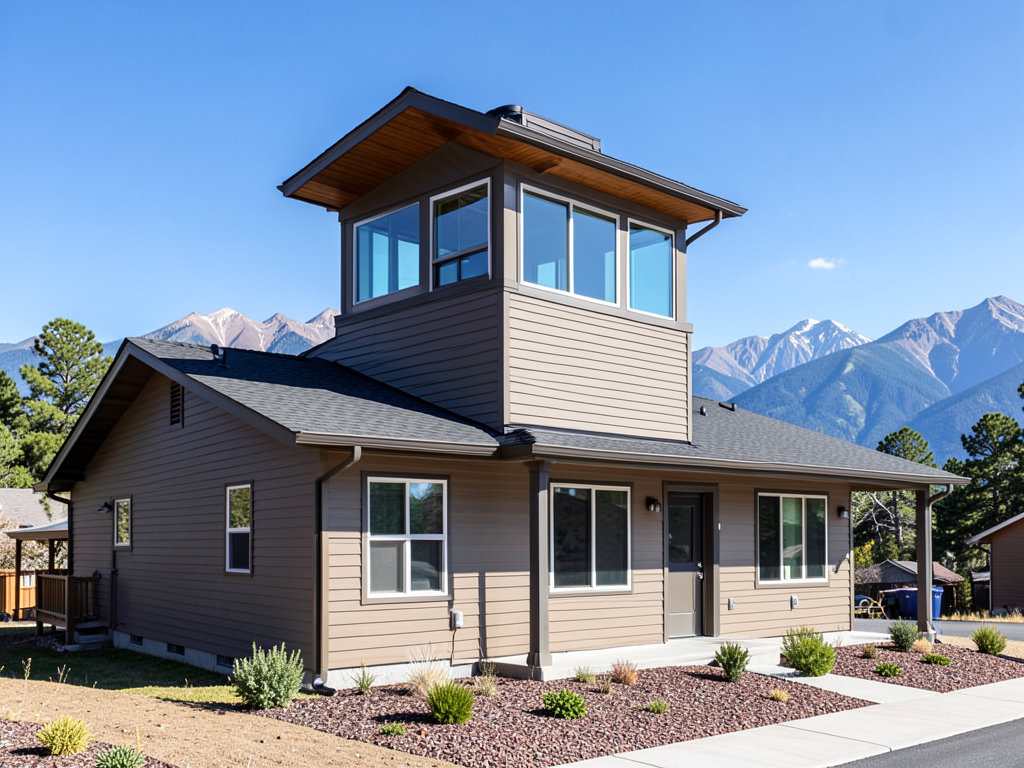
Different project types demand different material strategies. A ground-up custom home offers complete freedom but requires coordinated decisions across dozens of finish categories. A whole-home remodel may involve matching new finishes to existing architectural details. A pop-top addition needs materials that integrate seamlessly with the original structure while meeting current code requirements.
- Custom homes: Full control over finishes from foundation to roofline, with opportunities to specify everything from subfloor adhesives to ceiling textures
- Remodels: Blend new finishes with existing trim profiles, floor heights, and architectural styles without creating visual discontinuity
- Pop-tops and additions: Match or complement exterior siding, roofing, and window styles while meeting updated energy codes
- Basement finishes: Select moisture-resistant materials that perform well below grade and meet egress window requirements
Bret works through these considerations during the estimate phase, helping homeowners understand which materials are negotiable and which are dictated by code, structure, or existing conditions.
Balance Aesthetics with Performance
Every finish material sits at the intersection of design and durability. Hardwood floors are beautiful but require climate control and periodic refinishing. Porcelain tile is nearly indestructible but cold underfoot in Colorado winters. Quartz countertops resist staining but can look uniform compared to natural stone. Painted cabinets offer unlimited color options but show wear faster than stained wood.
Del Mar's material recommendations reflect real-world performance data from two decades of Denver Metro projects. We know which wood species handle dry indoor air without excessive gapping, which exterior stains hold up on south-facing walls in Castle Rock, and which tile grouts resist moisture in Lakewood basement bathrooms. This local knowledge helps homeowners avoid materials that underperform in Colorado—even if they're popular in other regions.
Consider Maintenance and Lifecycle Costs
Initial material cost is only part of the equation. A premium finish that requires minimal maintenance over 20 years often delivers better long-term value than a budget option that needs replacement in five. Del Mar walks clients through lifecycle costs during the planning phase, comparing upfront investment against expected maintenance, repair, and replacement intervals.
- Flooring: Engineered hardwood costs more than laminate but can be refinished multiple times and typically lasts 30+ years
- Countertops: Quartz requires no sealing, while natural stone needs periodic resealing to resist stains
- Cabinetry: Plywood box construction outlasts particleboard and supports heavier countertops without sagging
- Exterior finishes: Fiber cement siding costs more than vinyl but resists hail damage, UV degradation, and fire
For homeowners planning to stay in their Parker or Centennial home long-term, lifecycle cost analysis often shifts material choices toward higher-performing options that reduce future headaches and expenses.
Key Finish Material Categories and Colorado-Specific Considerations
Let's break down the major finish categories and the local factors that influence material performance across Denver Metro projects.
Flooring: Hardwood, Tile, and Engineered Options
Flooring is one of the most visible—and trafficked—finishes in any home. In Colorado's low-humidity environment, solid hardwood flooring can shrink during winter months, creating gaps between boards. Engineered hardwood, which consists of a hardwood veneer over a stable plywood core, expands and contracts less dramatically and performs better in dry climates.
Tile flooring works beautifully in kitchens, bathrooms, and basement finishes, especially when paired with radiant floor heating to offset Colorado's cold concrete slabs. Porcelain tile is denser and more moisture-resistant than ceramic, making it the better choice for wet areas and below-grade installations.
Del Mar recommends acclimating all wood flooring products on-site for at least one week before installation, allowing the material to adjust to the home's actual humidity level. This simple step prevents excessive movement and gapping after installation—a common issue in hastily executed Denver remodeling projects.
Countertops: Quartz, Granite, and Alternative Surfaces
Countertop selection involves balancing aesthetics, durability, and maintenance. Quartz engineered stone has become the default choice for many Denver Metro homeowners due to its stain resistance, uniform appearance, and zero-maintenance surface. Natural granite and quartzite offer unique veining and color variation but require periodic sealing to resist stains and etching.
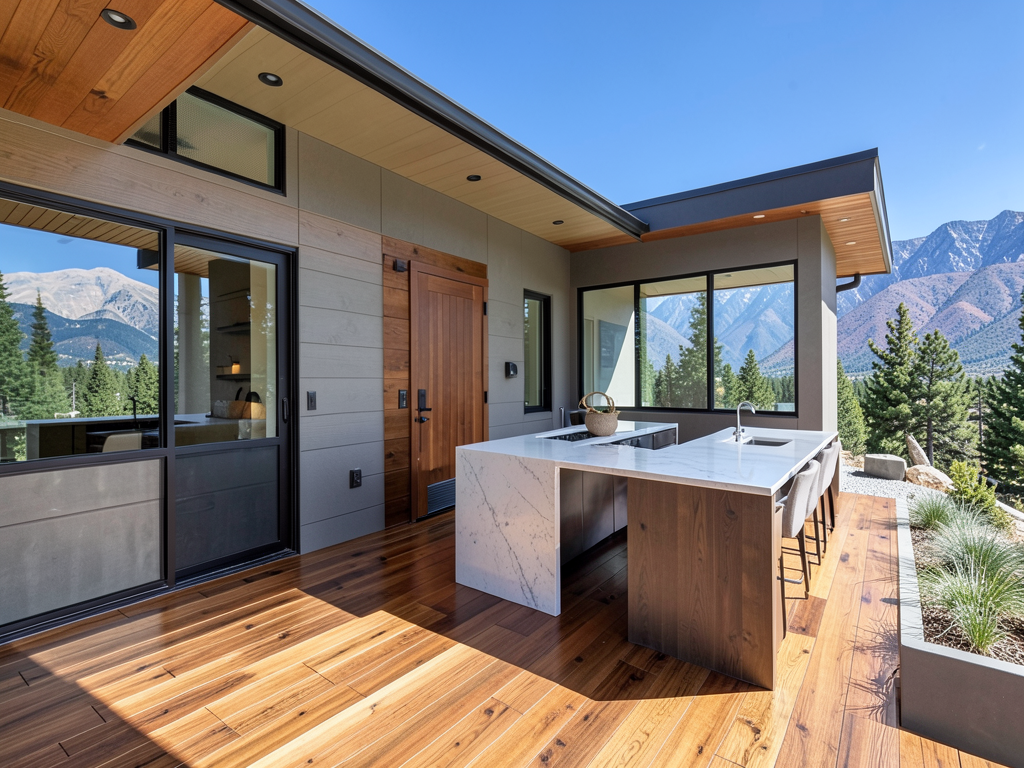
For outdoor kitchens and bar areas—popular in Littleton and Highlands Ranch homes with mountain views—natural stone performs better than quartz, which can discolor under prolonged UV exposure. Del Mar often recommends granite or soapstone for exterior countertops, paired with stainless steel or stone composite sinks that won't crack during freeze-thaw cycles.
Cabinetry: Construction Quality and Finish Options
Cabinet quality varies dramatically across price points, and the differences aren't always visible in a showroom. Plywood box construction with dovetail joinery will outlast particleboard boxes with stapled corners by decades. Full-extension soft-close drawer slides cost more upfront but eliminate the daily frustration of jammed or misaligned drawers.
Finish options range from painted to stained to two-tone combinations. Painted cabinets offer unlimited color flexibility and work well in modern and transitional kitchens, but they show dents and chips more readily than stained wood. Stained cabinets highlight natural wood grain and wear more gracefully over time, though color choices are limited to the species and stain combinations your cabinet maker offers.
Del Mar coordinates with local cabinet shops and national suppliers to deliver cabinetry that matches the project's design intent and quality expectations. Bret reviews cabinet construction details during the material selection phase, ensuring that homeowners understand exactly what they're getting before fabrication begins.
Interior Trim and Millwork
Trim profiles—baseboards, casings, crown molding—define a home's architectural character. In Denver's historic neighborhoods like Washington Park or Stapleton, matching existing trim profiles is often critical to maintaining visual continuity during remodeling projects. Custom millwork shops can replicate nearly any historic profile, though lead times and costs increase with complexity.
For new construction and whole-home remodels, Del Mar typically recommends medium-density fiberboard (MDF) for painted trim and solid wood for stained trim. MDF delivers crisp paint lines and resists warping in Colorado's dry climate, while solid wood provides the depth and grain character that stain finishes require.
Exterior Finishes: Siding, Stucco, and Trim
Exterior material selection in Colorado must account for hail, UV exposure, freeze-thaw cycles, and wind-driven rain. Fiber cement siding has become the dominant choice for pop-tops and additions due to its fire resistance, hail tolerance, and dimensional stability. It accepts paint well and can mimic wood grain or smooth plaster textures depending on the product line.
Stucco remains popular in Boulder, Castle Rock, and other areas with Mediterranean or Spanish-style architecture, but it requires proper detailing around windows and roof lines to prevent moisture intrusion. Del Mar's exterior stucco installations include fluid-applied weather barriers and flashing systems that meet or exceed Denver Metro building codes.
Wood siding and trim offer natural beauty but demand regular maintenance in Colorado's intense sunlight. Western red cedar and redwood resist rot and insect damage better than pine or fir, though all wood products require staining or painting every 5-7 years to prevent UV degradation and moisture penetration.
The Role of In-House Architect Coordination
Material selection doesn't happen in a vacuum—it's tightly integrated with architectural design, structural planning, and permitting. Del Mar coordinates with in-house architects and engineers to ensure that finish material choices align with the project's structural system, code requirements, and aesthetic vision.
For example, a second-story pop-top in Arvada might require engineered lumber roof framing to accommodate insulation and meet Colorado's snow-load requirements. That structural decision affects ceiling height, which in turn influences trim profiles, lighting placement, and ceiling finishes. Bret manages these intersections from estimate through final walkthrough, preventing material conflicts and last-minute redesigns.
Seasonal Considerations for Material Delivery and Installation
Colorado's seasonal extremes affect material storage, acclimation, and installation. Hardwood flooring delivered in July may arrive at 6% moisture content, while the same product delivered in January could be at 4%. Allowing materials to acclimate on-site before installation prevents warping, gapping, and fastener failures.
Winter construction also affects exterior finishes. Paint and stain manufacturers specify minimum application temperatures—typically 40-50°F—to ensure proper curing. Mortar and concrete require cold-weather admixtures when temperatures drop below freezing. Del Mar's project scheduling accounts for these seasonal constraints, ensuring that materials are installed under conditions that support long-term performance.
How Del Mar Simplifies the Material Selection Process
With hundreds of finish options across dozens of categories, material selection can quickly become overwhelming. Del Mar streamlines the process through hands-on project management and direct supplier relationships built over 21 years in Denver Metro.
Bret Hribar walks homeowners through material decisions in a logical sequence, starting with high-impact choices like flooring and cabinetry and moving toward lower-visibility items like outlet covers and switch plates. He provides access to local showrooms, arranges material samples delivered to the job site, and reviews cost implications before final selections are locked in.
This owner-led approach eliminates the miscommunication and delays common in projects where material decisions are delegated to junior staff or left entirely to the homeowner. Every selection is reviewed for constructability, code compliance, and alignment with the project's overall design intent before ordering begins.
Common Material Selection Mistakes to Avoid
Even experienced homeowners make avoidable mistakes during material selection. Here are the most common pitfalls Del Mar helps clients sidestep:
- Choosing materials based solely on showroom appearance: Lighting, scale, and installation context dramatically affect how materials look in your home
- Ignoring local climate factors: Products that perform well in humid coastal climates may fail in dry, high-altitude Denver Metro
- Prioritizing initial cost over lifecycle value: Budget materials often require earlier replacement and higher maintenance costs
- Mixing too many finish styles: Cohesive material palettes create visual harmony; too much variety reads as chaotic
- Delaying selections until mid-construction: Last-minute material changes cause schedule delays and cost overruns
Del Mar's project timeline builds in dedicated material selection windows early in the construction schedule, ensuring that all finishes are specified, ordered, and on-site before they're needed for installation.
Get Expert Material Guidance from Del Mar Building Services
Whether you're planning a custom home in Elizabeth, a whole-home remodel in Englewood, or a basement finish in Aurora, material selection is too important to leave to guesswork. Del Mar Building Services brings 21+ years of Denver Metro construction experience to every project, helping homeowners choose finishes that deliver beauty, performance, and value.
Bret Hribar personally handles every in-person estimate and guides material decisions from concept through installation. All work is backed by Del Mar's guarantee, and every project is managed with hands-on accountability from a licensed, bonded, and insured Colorado contractor.
Ready to start your project? Call (303) 881-8774 Monday through Friday between 8:00 AM and 6:00 PM, or email info@delmardenver.com to request your free in-person estimate. Visit delmardenver.com to learn more about Del Mar's custom homes, remodeling, pop-tops, basement finishes, and general contracting services across Denver Metro and surrounding suburbs.
Start Your Project with a Free Estimate
Custom homes, additions, pop-tops, and remodeling across Denver Metro and surrounding suburbs.
Request Free Estimate