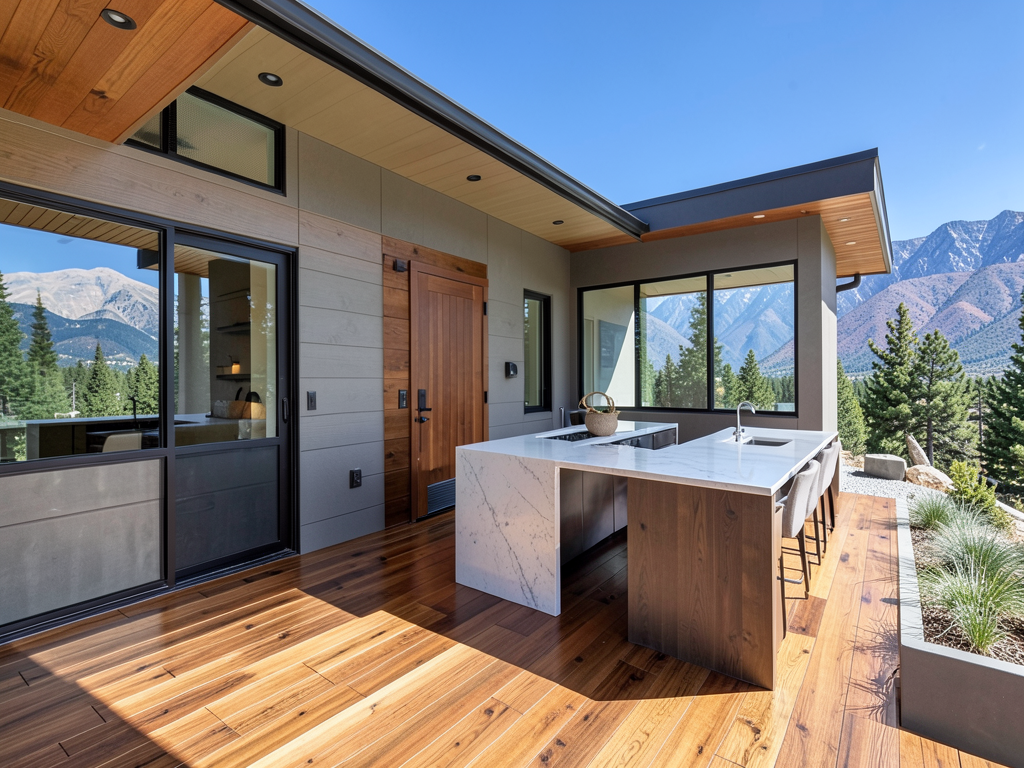
Material Selection for Denver Metro Construction
Bret · · 10 min read
Discover durable construction materials for Denver Metro homes with Del Mar Building Services. Call today to select the best materials suited for Colorado's climate.
Colorado's high-altitude climate, heavy snowfall, and freeze-thaw cycles demand construction materials and methods that can withstand extreme temperature swings, intense UV exposure, and significant moisture fluctuations. For homeowners across Denver Metro planning custom homes, additions, or whole-home remodels, selecting the right materials isn't just about aesthetics—it's about long-term performance, structural integrity, and protecting your investment. Del Mar Building Services has spent over 21 years guiding homeowners through material selections that perform in Colorado's unique environment, from Highlands Ranch to Boulder and everywhere in between.
Why Material Selection Matters in Colorado Construction
Building in Denver Metro means planning for conditions that many national construction standards don't fully address. Winter temperatures regularly drop below zero, summer sun is 25 percent more intense at 5,280 feet, and spring storms can deliver heavy wet snow followed by rapid melting. Materials that work beautifully in humid climates may crack, warp, or fail prematurely here. Bret Hribar personally handles every in-person estimate at Del Mar and walks homeowners through material choices that balance performance, budget, and design goals specific to Colorado's Front Range.
Common Material Challenges in High-Altitude Climates
- Freeze-thaw cycling: Water infiltration followed by freezing can crack masonry, concrete, and poorly sealed wood products within a single season.
- UV degradation: Colorado's thin atmosphere allows more ultraviolet radiation to reach surfaces, fading paint, breaking down plastics, and degrading certain siding materials faster than at sea level.
- Moisture variability: Basements in areas like Lakewood and Arvada face different moisture profiles than those in Castle Rock or Parker, requiring tailored waterproofing and vapor barrier strategies.
- Snow load requirements: Roofs and structural framing must meet code-specific snow load calculations, especially for pop-top additions where new roof structures tie into existing framing.
Framing and Structural Materials for Colorado Additions and Custom Homes
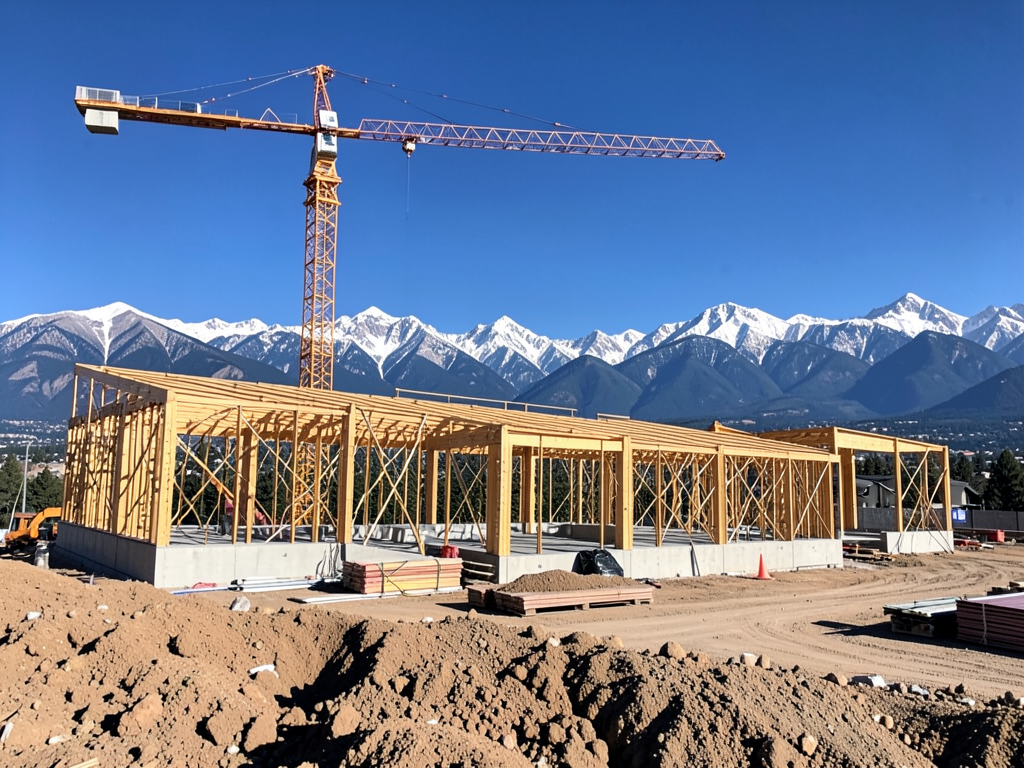
Structural integrity begins with the frame. Whether you're adding a second story in Centennial or building a ground-up luxury home in Elizabeth, lumber quality and engineering matter. Del Mar coordinates structural and permitting support on every project, ensuring framing meets Denver Metro building codes and snow load requirements.
Engineered Lumber vs. Dimensional Lumber
Engineered lumber products like laminated veneer lumber (LVL) and glulam beams offer superior strength-to-weight ratios and resist warping in Colorado's dry climate. These materials are especially valuable for long spans in open floor plans or when tying a pop-top addition into an existing roof structure. Dimensional lumber remains the workhorse for standard framing, but moisture content at delivery matters—wood that arrives too wet will shrink as it acclimates to Colorado's low humidity, causing nail pops and drywall cracks down the line.
Roof Tie-Ins and Snow Load Considerations
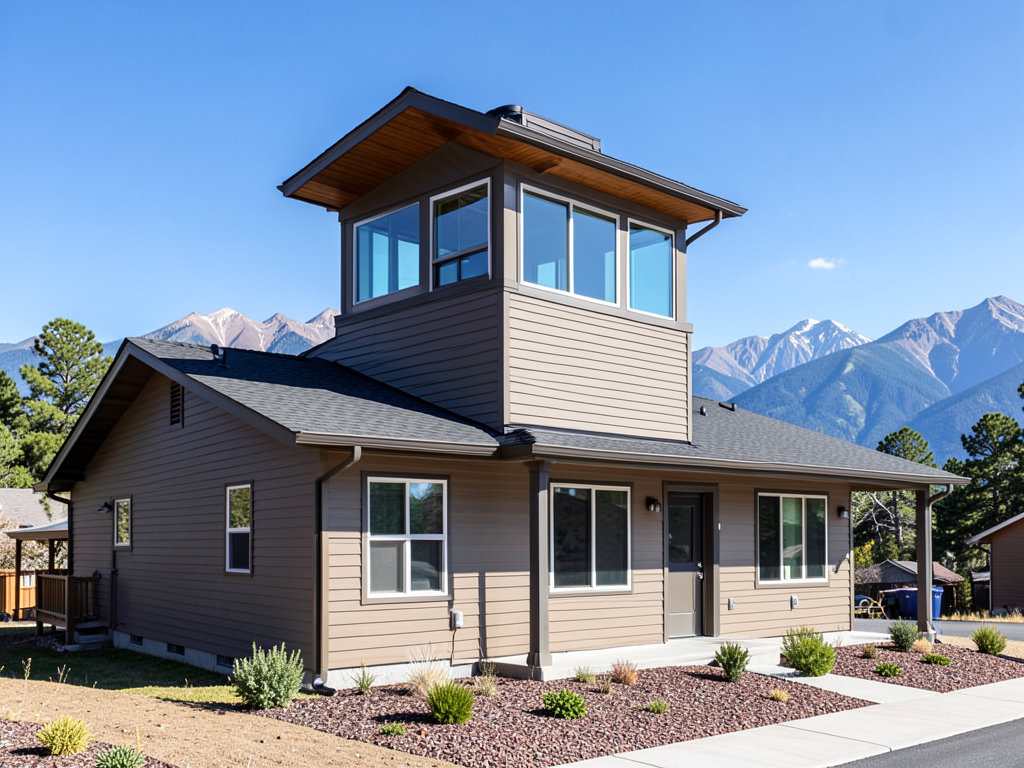
Second-story additions and pop-tops require careful integration with existing roof structures. New framing must carry anticipated snow loads—often 30 pounds per square foot or more depending on location and roof pitch. Del Mar's in-house architect coordination ensures structural calculations account for these loads before permits are pulled. Roof sheathing, typically OSB or plywood, must be rated for the span and fastened according to engineered plans to prevent deflection under heavy spring snowfall.
Exterior Cladding and Siding That Performs in Denver Metro
Exterior materials face the harshest exposure: intense summer sun, winter wind, driving rain, and freeze-thaw cycles. Choosing siding that holds up without constant maintenance is a priority for homeowners in Aurora, Westminster, and across the metro area.
Fiber Cement Siding
Fiber cement has become the dominant choice for custom homes and remodeling projects in Colorado. It resists UV fading, won't rot or warp, and handles freeze-thaw cycles without cracking when properly installed. Brands like James Hardie are engineered for climate zones that include Denver Metro, with factory-applied finishes that carry 15-year warranties. Proper flashing, drainage planes, and joint caulking are critical—Del Mar's trade coordination ensures installers follow manufacturer specs to the letter.
Stone Veneer and Masonry
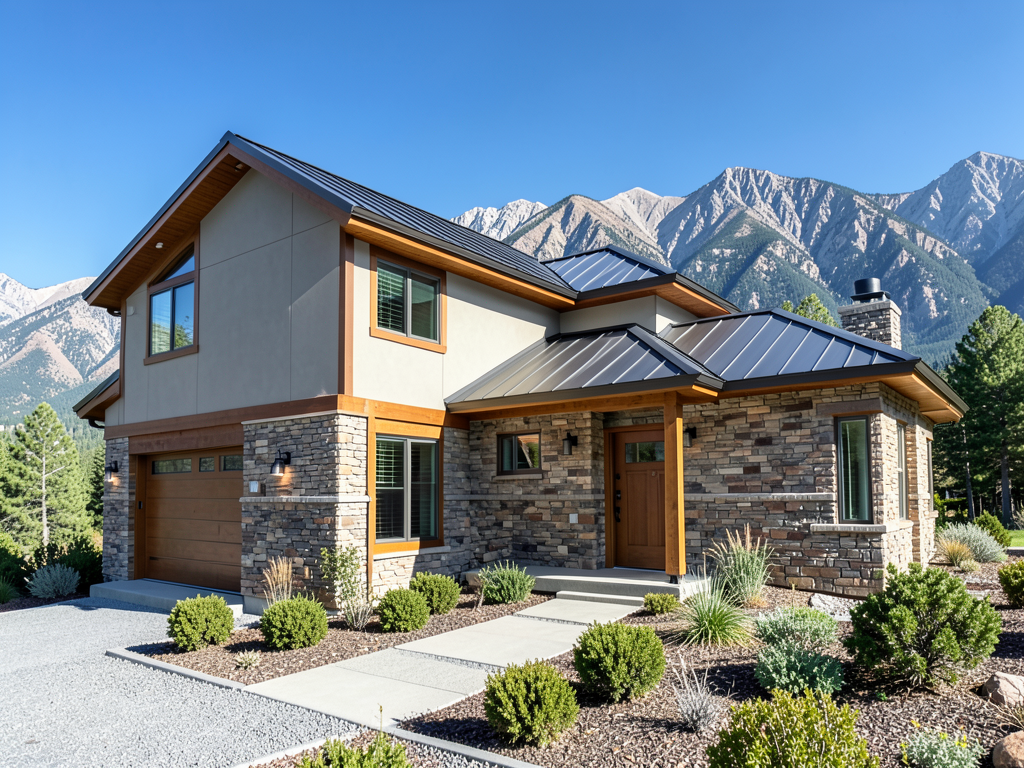
Natural stone and manufactured stone veneer add texture and curb appeal but require moisture management. Water that infiltrates behind stone and freezes can pop veneer off the wall. Properly installed weep screeds, drainage mats, and through-wall flashing allow moisture to escape. Del Mar's project management includes oversight of masonry trades to verify these details are executed correctly, especially on homes in Littleton and Golden where mountain weather patterns increase moisture exposure.
Wood Siding and Trim
Wood siding delivers classic aesthetics but demands more maintenance in Colorado. Cedar and redwood resist rot naturally but still require regular staining or sealing to combat UV damage and moisture infiltration. Engineered wood products like LP SmartSide offer better dimensional stability and come pre-primed, reducing on-site finishing time. Del Mar discusses maintenance expectations during the estimate phase so homeowners understand long-term care requirements before committing to wood exteriors.
Roofing Materials for Colorado's Weather Extremes
Roofs in Denver Metro endure hail, high winds, heavy snow, and relentless sun. Material selection impacts not just longevity but also insurance costs and resale value. Del Mar coordinates roofing trades on custom homes, whole-home remodels, and pop-top projects to ensure proper installation and code compliance.
Asphalt Composition Shingles
Architectural shingles rated for Class 4 impact resistance are the baseline for most Denver Metro projects. These shingles withstand hail better than standard three-tab products and often qualify for insurance discounts. Underlayment matters too—synthetic underlayment outperforms felt paper in Colorado's temperature swings and provides better waterproofing during installation delays caused by weather.
Metal Roofing
Standing-seam metal roofs are increasingly popular for custom homes in Boulder, Parker, and mountain-adjacent suburbs. Metal sheds snow more readily than asphalt, resists hail damage, and lasts 50 years or more with minimal maintenance. Expansion and contraction from temperature swings require proper fastening systems and panel profiles designed for thermal movement. Del Mar's hands-on project management includes verifying fastener spacing and seam integrity during installation.
Tile and Slate
Concrete tile and natural slate offer exceptional durability and fire resistance but add significant weight. Structural framing must be engineered to carry the load, and installation requires experienced trades familiar with Colorado's freeze-thaw conditions. Tile works well in Highlands Ranch and Castle Rock, where Spanish and Mediterranean architectural styles are common. Del Mar coordinates structural engineering and trade scheduling to integrate tile roofing seamlessly into custom home plans.
Windows and Doors Engineered for Energy Efficiency
Windows and doors are the primary thermal weak points in any home. Colorado's 50-degree temperature swings between day and night, combined with intense solar gain, demand thoughtful selection. Del Mar's finish and material upgrade services include guidance on window performance ratings that make sense for Denver Metro's climate.
Low-E Coatings and Gas Fills
Low-emissivity (Low-E) coatings reflect infrared heat while allowing visible light to pass through. In Colorado, Low-E² or Low-E³ coatings balance winter heat retention with summer solar heat rejection. Argon or krypton gas fills between panes further improve insulation. These features reduce HVAC loads and improve comfort in remodels and new construction from Arvada to Englewood.
Frame Materials and Durability
Vinyl windows dominate the market for cost and performance, but fiberglass frames offer superior strength and dimensional stability in extreme temperature swings. Wood-clad windows provide traditional aesthetics with aluminum or vinyl exteriors that resist moisture and UV damage. Del Mar discusses frame material trade-offs during the estimate process so homeowners understand how each option performs in Colorado's climate.
Impact Resistance and Wind Ratings
Windows in Denver Metro should meet or exceed ASTM standards for impact resistance and wind load, especially in open suburban areas like Centennial and Parker where wind gusts can exceed 70 mph during storms. Properly anchored windows with reinforced frames and laminated glass reduce the risk of breakage and air infiltration. Del Mar's permit and code coordination ensures all window installations meet local requirements for safety and energy efficiency.
Foundation and Basement Materials That Handle Colorado Soil and Moisture
Colorado's expansive clay soils and variable groundwater conditions create unique foundation challenges. Properly selected foundation materials and waterproofing systems prevent cracking, settling, and moisture intrusion. Del Mar's basement finishing and remodeling projects include moisture-aware material planning to protect finished spaces from Colorado's unpredictable groundwater.
Concrete Mixes and Reinforcement
Foundation concrete should be designed for the local soil conditions and freeze-thaw exposure. Five-thousand PSI concrete mixes with proper air entrainment resist cracking from freeze-thaw cycles. Reinforcing steel or fiber mesh adds tensile strength and controls shrinkage cracks. Del Mar coordinates concrete suppliers and placement to ensure proper curing during Colorado's temperature swings, even when pours happen in early spring or late fall.
Waterproofing and Drainage Systems
Exterior waterproofing membranes, drainage boards, and perimeter drain tile are essential for basements in Denver Metro. Clay soils expand when wet and contract when dry, exerting hydrostatic pressure on foundation walls. Properly installed drainage systems relieve that pressure and channel water away from the foundation. Interior vapor barriers and moisture-resistant framing materials protect finished basements from condensation and seasonal moisture migration.
Egress Windows and Code Compliance
Finished basements used as bedrooms or living spaces require egress windows that meet International Residential Code dimensions. Window wells must be properly sized, drained, and secured. Del Mar's permit and inspection guidance includes coordinating egress window installation with structural cuts, waterproofing details, and final inspections to ensure code compliance and homeowner safety.
Interior Finishes That Balance Style and Durability
Interior material choices impact both aesthetics and long-term maintenance. Colorado's dry climate causes wood to shrink and crack, while temperature fluctuations from forced-air heating affect paint and finish adhesion. Del Mar's whole-home remodeling and finish upgrade services include material recommendations that perform in Denver Metro's indoor environment.
Flooring Options for Colorado Homes
Engineered hardwood flooring outperforms solid hardwood in Colorado's low humidity. Engineered products resist cupping and gapping because their layered construction accommodates moisture changes more effectively. Luxury vinyl plank (LVP) has become a popular choice for basement finishes in Lakewood, Westminster, and Aurora because it's impervious to moisture and installs directly over concrete with minimal subfloor preparation. Tile remains the top choice for bathrooms and high-traffic areas, offering durability and easy maintenance.
Drywall and Paint Systems
Standard half-inch drywall works for most interior walls, but moisture-resistant (green board) or mold-resistant drywall should be used in bathrooms, laundries, and basements where humidity levels fluctuate. Paint formulations matter too—low-VOC latex paints dry quickly in Colorado's dry air but require proper surface prep to ensure adhesion. Del Mar's trade coordination includes drywall finishers and painters who understand local climate effects and adjust their techniques accordingly.
Cabinetry and Millwork
Cabinet materials must tolerate indoor humidity swings. Plywood box construction with hardwood face frames resists warping better than particleboard cores. Finish options range from painted surfaces with catalyzed conversion varnish to stained hardwoods sealed with water-based polyurethane. Del Mar's kitchen and bathroom updates include guidance on cabinet construction and finishes that hold up in Colorado's indoor environment.
Insulation and Air Sealing for Energy Performance
Proper insulation and air sealing reduce energy bills and improve comfort in Denver Metro's temperature extremes. Del Mar's custom homes and remodeling projects include insulation planning that meets or exceeds current energy codes.
Spray Foam vs. Fiberglass Batts
Closed-cell spray foam insulation provides the highest R-value per inch and acts as both insulation and air barrier. It's ideal for rim joists, attic planes, and exterior walls in custom homes and pop-top additions. Open-cell spray foam costs less and still offers good thermal performance with sound-dampening benefits. Fiberglass batts remain cost-effective for standard wall cavities when paired with proper air sealing at penetrations and seams. Del Mar discusses insulation options during the planning phase so homeowners understand performance and cost trade-offs.
Air Sealing and Thermal Bridging
Air leakage through electrical boxes, plumbing penetrations, and framing gaps undermines insulation performance. Blower door testing identifies leaks before drywall installation, allowing trades to seal them effectively. Thermal bridging through framing members reduces wall R-values, but advanced framing techniques and exterior continuous insulation minimize heat loss. Del Mar's project management includes coordinating insulation and air sealing to achieve measurable energy performance improvements.
Seasonal Timing and Material Availability in Denver Metro
Colorado's construction season runs year-round, but winter weather affects material deliveries, curing times, and trade scheduling. Spring and fall are peak seasons for remodeling and additions, meaning material lead times can stretch. Del Mar's hands-on project management includes proactive material ordering and sequencing to keep projects on schedule despite seasonal variables.
Cold-Weather Considerations
Concrete pours, masonry work, and exterior painting require temperature and humidity controls in winter. Heated enclosures, blankets, and admixtures allow work to continue, but costs and scheduling complexity increase. Del Mar discusses cold-weather contingencies during the estimate phase so homeowners understand how winter timing affects budgets and timelines.
Summer Heat and UV Exposure
Summer's intense UV slows paint curing and can degrade exposed materials left on job sites. Scheduling trades to complete exterior work before midday heat peaks improves finish quality. Material storage in shaded areas protects lumber, drywall, and finishes from sun damage. Del Mar's trade coordination includes site logistics that protect materials and maintain quality regardless of weather.
Working with an Experienced Colorado Builder
Material selection is just one piece of a successful custom home, addition, or remodel. Coordinating trades, managing permits, and ensuring code compliance require experienced oversight. Del Mar Building Services brings 21 years of Denver Metro construction experience to every project, with owner-led estimates and hands-on project management that keep homeowners informed and projects on track.
Bret personally handles every in-person estimate, reviewing site conditions, design goals, and material options that fit your budget and performance requirements. Del Mar's licensed, bonded, and insured team coordinates all trades from framing to finishes, ensuring materials are installed correctly and inspections pass the first time. All work is guaranteed, and projects are managed with a single point of accountability—Bret—so communication stays clear and decisions get made quickly.
If you're planning a custom home, pop-top addition, whole-home remodel, or basement finish in Denver Metro, request a free in-person estimate to discuss material selections that perform in Colorado's climate. Call (303) 881-8774 or email info@delmardenver.com Monday through Friday, 8:00 AM to 6:00 PM, to get started. Del Mar serves homeowners across Denver, Aurora, Lakewood, Highlands Ranch, Castle Rock, Parker, Centennial, Arvada, Westminster, Littleton, Boulder, Golden, Englewood, Elizabeth, Larkspur, and surrounding communities within 60 miles of Denver Metro.
Start Your Project with a Free Estimate
Custom homes, additions, pop-tops, and remodeling across Denver Metro and surrounding suburbs.
Request Free Estimate